Why Furnace Maintenance Matters
New Orleans winters are short and mild. Still, cold fronts push through every year. Overnight lows can drop into the 20s. When that happens, your furnace needs to start right away and run safely.
That is where furnace maintenance comes in. Regular care keeps your heating system clean, safe, and ready. It also helps you avoid a breakdown on the coldest night of the year.
Long Idle Months Take a Toll
Here, a furnace may sit unused for eight or nine months. That downtime is hard on equipment. Dust settles on burners and sensors. Our humid air can corrode electrical connections. Motors that sit too long can strain when they finally start.
Then the first cold snap arrives. You turn on the heat, and the furnace struggles. It may blow lukewarm air or shut off early. It may not start at all. A maintenance visit in the fall catches these problems before you need heat.
Signs Your Furnace Needs Attention Now
Do not wait for a full breakdown. Your furnace often gives early clues. It may take longer to warm your home. It may turn on and off more than it used to. Some rooms may stay cold while others get too warm.
Listen for banging, rattling, or squealing when the system runs. Notice any burning smell beyond the first few minutes of the season. Watch your gas or power bill too. A sudden jump in winter can mean your furnace is working too hard. Any of these signs is a good reason to book a visit, even if your last one was recent.
Maintenance vs. a Tune-Up
People often use these terms the same way, but there is a difference. A heater tune-up is one visit before the heating season. We clean, adjust, and test your system.
Furnace maintenance is the bigger picture. It covers the ongoing care your system needs over its whole life. That includes a yearly tune-up, regular filter changes, and quick checks at home. Good heating maintenance keeps small issues from turning into big repairs.
What a Maintenance Visit Covers
Furnace maintenance starts with safety. A furnace that sits idle most of the year needs to light, burn, and vent correctly the first time you call for heat. That is where our technicians focus first.
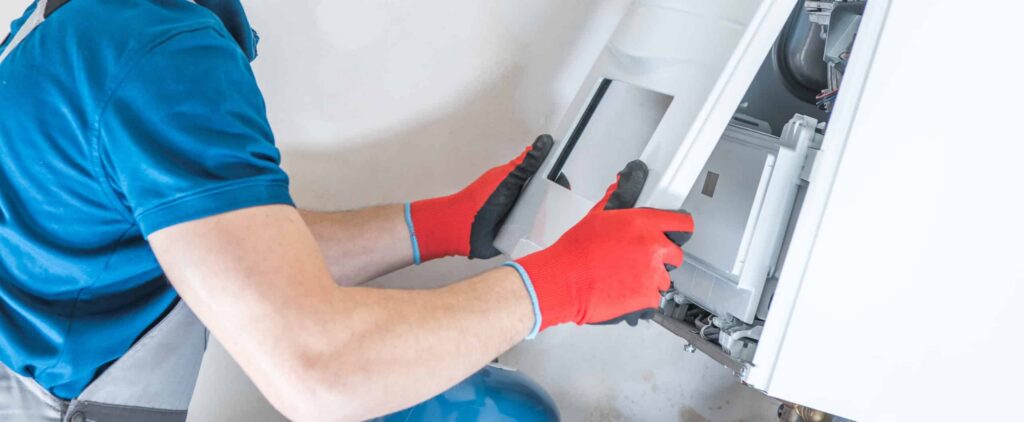
On gas systems, we look closely at how your furnace burns fuel. We check the flame, the burners, and the gas supply. We inspect the heat exchanger for cracks or rust, since damage there can let carbon monoxide into your home. We also make sure the vent pipe carries exhaust safely outside. Then we test the safety controls that shut the furnace down if something goes wrong.
Once safety is covered, we turn to performance. We check airflow, the blower, and how the system cycles, so your home heats evenly without wasting energy. For a step-by-step look at everything we check, see our furnace tune-up checklist.
Plan on one maintenance visit a year, ideally in the fall. Older furnaces, or homes where the system has needed repairs, benefit most from staying on that schedule.
Gas and Electric Furnaces
The exact steps depend on your system. Gas furnaces need extra safety checks on the burner, gas lines, and venting. Electric furnaces have no flame, so we focus on the heating elements, wiring, and blower. Either way, we test the whole system before we leave.
After the Visit
When we finish, we walk you through the results. If something needs attention, we explain it in plain terms. A licensed technician gives you an estimate before any repair work begins.