What a Tune-Up Includes
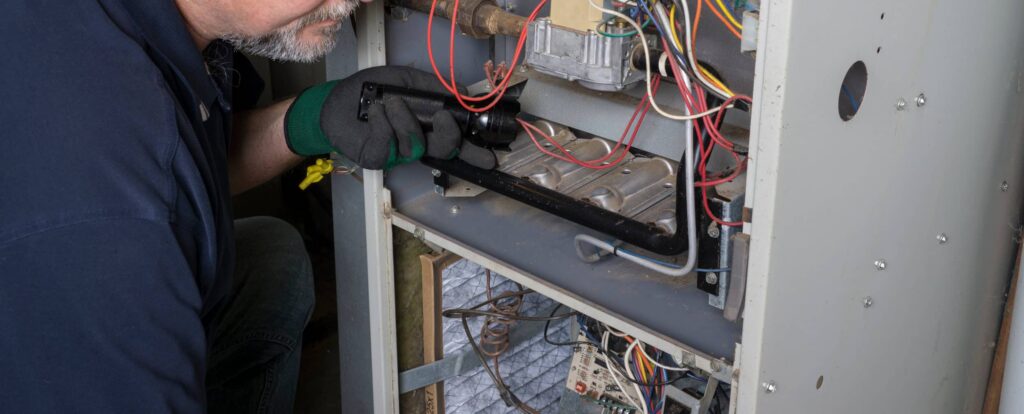
A furnace tune-up gets your heating system ready for the cold months ahead. It is one visit, scheduled before you need heat. Our technicians clean, adjust, and test your system from top to bottom.
This heater tune-up covers gas furnaces, electric systems, and heat pumps. The exact steps depend on what you have. Here is what we check:
- A full visual check of the furnace or heat pump, including the cabinet, connections, and venting
- Safety controls, limit switches, and flame sensors on gas systems, or defrost controls on heat pumps
- Cleaning of burners, heat exchangers, and combustion chambers on gas furnaces
- Gas pressure, flame quality, and combustion
- Filter replacement or cleaning
- Blower motor and fan, with lubrication where needed
- Thermostat testing and calibration
- Carbon monoxide testing and a vent check on gas systems
- A full test run to check heat output, airflow, and cycling
- A clear report of what we found, with any repair advice
We do not rush through the list. We take the time to inspect, test, and adjust each part. When we finish, we explain what we found in plain terms.
Tune-Up vs. Ongoing Maintenance
A tune-up is one visit. Furnace maintenance is the bigger picture. It covers all the care your system needs over its life. That includes yearly tune-ups, filter changes, and quick checks at home. Think of a tune-up as the most important part of good maintenance.
Heat Pump Tune-Ups
Many New Orleans homes heat with a heat pump. These systems cool all summer, then switch to heat in winter. A heating tune-up checks the parts that make that switch. We test the defrost controls and look at the outdoor coil. We also check the refrigerant charge, so the system is ready for heating duty.
Electric Furnace Tune-Ups
Electric furnaces have no flame or gas line. They still need care. We check the heating elements, wiring, and relays that turn them on. We test the blower and airflow too. Loose or worn electrical parts can cut your heat or cause a safety risk, so we look at them closely.
Gas Furnace Tune-Ups
A gas furnace has more moving parts than any other heating system in your home. It also burns fuel, so it needs the closest look. During a gas furnace tune-up, we start with the burners. We clean off the dust and debris that build up over the summer and check that the flame burns steady and blue. A yellow or flickering flame can mean the furnace is not burning fuel cleanly.
Next, we check the igniter and flame sensor. These two parts cause many of the no-heat calls we see on the first cold night of the year. A dirty flame sensor can shut the furnace off seconds after it lights. We clean it and test it so your heat stays on.
We also inspect the heat exchanger for cracks or rust. We check the gas pressure and the vent pipe so exhaust leaves your home the way it should. Then we test the safety controls that shut the system down if something goes wrong. When we finish, you know your gas furnace is clean, safe, and ready for winter.
Why Tune-Ups Help Before Cold Weather
Our winters are short, but cold fronts still come through. When temps drop into the 30s or 40s, you need heat that starts right away. A heating system that sat idle for months may not be ready.
Idle Months Cause Wear
Your heater may sit unused from spring through fall. During that time, dust builds up on burners and sensors. Humid air can corrode wires and connections. Small issues go unnoticed until you turn on the heat.
A furnace tune-up clears out that dust and catches those issues early. That way, your first cold night is not the night you find a problem.
Lower Energy Use
A clean, well-adjusted system uses less energy to heat your home. Dirty burners, a clogged filter, or weak airflow make the system work harder. A tune-up restores clean burning and steady airflow. That helps keep your bills in check.
Safer Operation
Gas furnaces need extra care. A cracked heat exchanger or poor venting can let carbon monoxide into your home. Each tune-up includes carbon monoxide testing and a vent check on gas systems. That gives you peace of mind all winter.
Longer Equipment Life
Regular care reduces wear on motors, igniters, and other parts. A system that gets a yearly heater tune-up tends to last longer than one that gets no care at all.
Accurate Thermostat Control
Your thermostat tells the heater when to run. If it reads the temperature wrong, your home may feel too cold or too warm. The system may also run more than it needs to. During a tune-up, we test and calibrate the thermostat, so your settings match what you feel.