There are more reasons to relocate HVAC equipment than most homeowners expect. A renovation that changes your floor plan, a new addition that shifts where the home needs conditioning, an outdoor unit that is in a contractor’s way, or simply poor original placement that has caused comfort and efficiency problems for years. Whatever the reason, moving HVAC equipment is a real project with real costs, and understanding what is involved helps you plan and budget accurately.
This guide covers what it takes to move an outdoor AC unit, an indoor air handler or furnace, or both, and what that work realistically costs in the New Orleans area.
Can You Just Move an AC Unit Yourself?
No. Moving any part of a refrigerant-based HVAC system requires EPA-certified technicians to handle the refrigerant legally and safely. Refrigerant must be recovered from the system before any lines are disconnected, and it must be captured in a certified recovery tank rather than released into the atmosphere. Federal law prohibits venting refrigerant, and violations carry significant fines.
Beyond the refrigerant requirement, moving HVAC equipment involves disconnecting and reconnecting electrical circuits, modifying or extending refrigerant line sets, and often moving or rerouting condensate drain lines. All of this work requires licensed HVAC and electrical technicians.
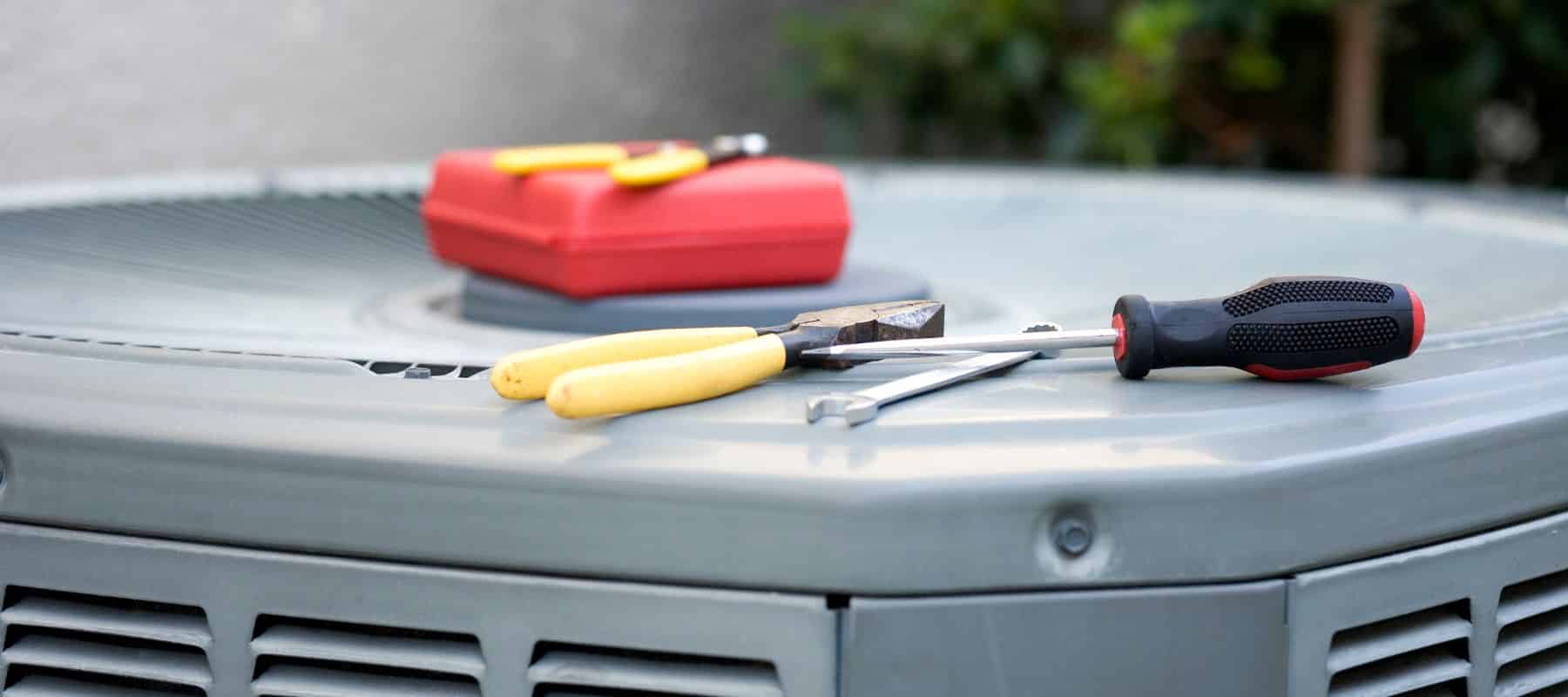
Moving an Outdoor AC Condenser Unit
The outdoor condenser is physically the easier of the two units to relocate. It sits on a pad outside, and as long as the new location is within the allowable distance from the indoor unit for the refrigerant line set, the move is relatively manageable.
What the Work Involves
- Refrigerant recovery: A certified technician recovers all refrigerant from the system using a recovery machine and stores it in a sealed tank before any lines are disconnected.
- Electrical disconnection: The disconnect box and electrical whip connecting the unit to the home’s power supply are removed or modified. New wiring may need to be run to the new location if it is not adjacent to the existing circuit.
- Line set disconnection: The copper refrigerant lines connecting the outdoor unit to the indoor coil are disconnected at the service valves on the outdoor unit. If the new location is further from the indoor unit, the line set may need to be extended or replaced entirely.
- Pad preparation: A new composite pad is set at the destination location. The old pad is removed or left in place depending on the scope of work.
- Unit relocation and reconnection: The condenser is moved to the new pad, the line set is connected, brazed, and pressure-tested, and the electrical connections are restored.
- System evacuation and recharge: The refrigerant lines are evacuated to remove air and moisture, and refrigerant is recharged to the correct level based on manufacturer specifications.
- Commissioning: The system is started and tested with a full set of pressure, temperature, and electrical measurements to confirm proper operation.
Cost to Move an Outdoor AC Unit
Moving an outdoor condenser to a nearby location at the same property typically costs $500 to $1,500 for the labor, refrigerant handling, and reconnection work. If the move requires a longer line set (generally over 25 feet), new line set materials add to the cost. If new electrical wiring needs to be run to the new location, that adds another $200 to $600 depending on the run length.
Total cost range for most residential outdoor unit relocations: $700 to $2,500.
Moving an Indoor Air Handler or Furnace
Moving the indoor air handler or furnace is a significantly more involved project. The indoor unit connects to the duct system, the condensate drain, and the refrigerant line set, and it is usually located in a utility closet, attic, or mechanical room. Relocating it requires modifying all three connections and often involves significant ductwork changes.
What the Work Involves
- Refrigerant recovery: Same as an outdoor unit move. All refrigerant must be recovered before any lines are disconnected.
- Disconnection from ductwork: The air handler connects to a supply plenum and a return air plenum. Disconnecting it requires either modifying the existing ductwork to accommodate the new location or designing and installing new duct connections entirely.
- Condensate drain relocation: The drain line that carries moisture removed from the air must be rerouted to an appropriate drain in the new location. In New Orleans area homes, where attic and interior drain routing can be complicated by the home’s layout and elevation, this often requires more creative routing than in other markets.
- Line set modification: The refrigerant lines may need to be extended or rerouted to reach the new indoor unit location. If the move is significant, a full line set replacement is often recommended.
- Electrical reconnection: Control wiring and the power supply to the air handler must be disconnected and reconnected at the new location.
- Duct reconnection: New duct connections are fabricated and installed at the new location, and the existing duct system is modified or extended to match.
Cost to Move an Indoor Air Handler or Furnace
Moving an indoor air handler is one of the more expensive HVAC service calls because of the ductwork involvement. Typical costs range from $1,500 to $4,000 depending on:
- How far the unit is moving within the home
- Whether the existing ductwork can be adapted or needs significant modification
- Whether the condensate drain requires a new pump or drain routing
- What electrical work is needed at the new location
If significant duct modifications are required, costs can exceed $4,000, particularly in older New Orleans homes where duct access is limited by the home’s structure.
Moving Both Units at the Same Time
If you need to relocate both the outdoor condenser and the indoor air handler, doing both at the same time is more cost-efficient than scheduling them separately. The refrigerant recovery only needs to happen once, and the technician can plan and execute the line set routing, ductwork modifications, and electrical work as a coordinated project.
Combined relocation of both units typically runs $2,500 to $6,000 or more depending on the complexity of the moves and the ductwork changes required.
When Does HVAC Relocation Make Sense?
During a Home Renovation
Relocating HVAC equipment during a renovation is much less expensive than doing it in a finished home because walls, ceilings, and floors are already open. If you are planning a major renovation and the current location of your air handler or condenser conflicts with the new layout, doing the move during construction is the right time.
When the Current Location Is Causing Performance Problems
An outdoor condenser placed in a location with restricted airflow, excessive heat gain from nearby structures, or poor access for service calls is working harder than it should. Relocating it to a better position can improve efficiency and extend equipment life.
An indoor air handler located far from the center of the home’s duct system, or in a location that makes duct runs excessively long or complex, can be a source of chronic airflow and comfort problems. In some cases, relocation is more cost-effective than repeated attempts to patch a fundamentally flawed duct layout.
When Adding a Room or Addition
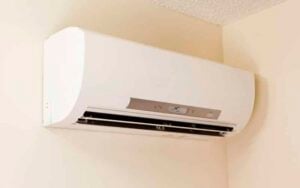
A home addition changes the balance of your duct system. If the existing air handler location makes it impractical to extend ducts to the new space, relocation may be necessary. Alternatively, a ductless mini split for the new addition avoids the need to modify the main system at all.
When the Unit Is at End of Life
If your system is aging and you are already planning an AC installation or heating installation, relocating the equipment at the time of replacement adds relatively little cost to the overall project. The refrigerant recovery, line set work, and electrical connections are all part of the new installation anyway.
What You Should Not Do When Moving HVAC Equipment
Do not have handymen or unlicensed contractors perform any part of the work involving refrigerant. The legal and safety consequences are serious, and improperly handled refrigerant connections will cause system failure.
Do not assume the existing line set can always be reused. Older copper lines may contain oil that is incompatible with modern refrigerants, and lines that have been bent, kinked, or improperly stored during the move may have hidden damage. A new line set is the right choice in most relocation scenarios.
Do not overlook the electrical side of the project. Every change in equipment location may require new circuits, modified breakers, or a new disconnect box. In older New Orleans homes, the electrical panel sometimes needs to be evaluated before any new circuits are added. An electrical inspection as part of the project plan is worth considering if the home’s wiring is aging.
Does Moving HVAC Equipment Require a Permit in Louisiana?
Yes. Any significant modification to a permitted HVAC installation, including relocating equipment, requires a new permit in Louisiana. The permit ensures the work meets code requirements and creates a documented record of the modification. Always confirm that your contractor is pulling the appropriate permits before work begins.
Ready to Talk About Moving Your HVAC Equipment in New Orleans?
Southern Air has been serving Southeast Louisiana since 1984. Our team handles the full scope of HVAC relocation projects including refrigerant recovery, line set work, ductwork modification, and electrical updates, all under one roof with upfront pricing and no surprises.
We also offer flexible financing for larger projects. Check our specials page for any current promotions.
Call us at (504) 217-5191 or schedule online to get started.